


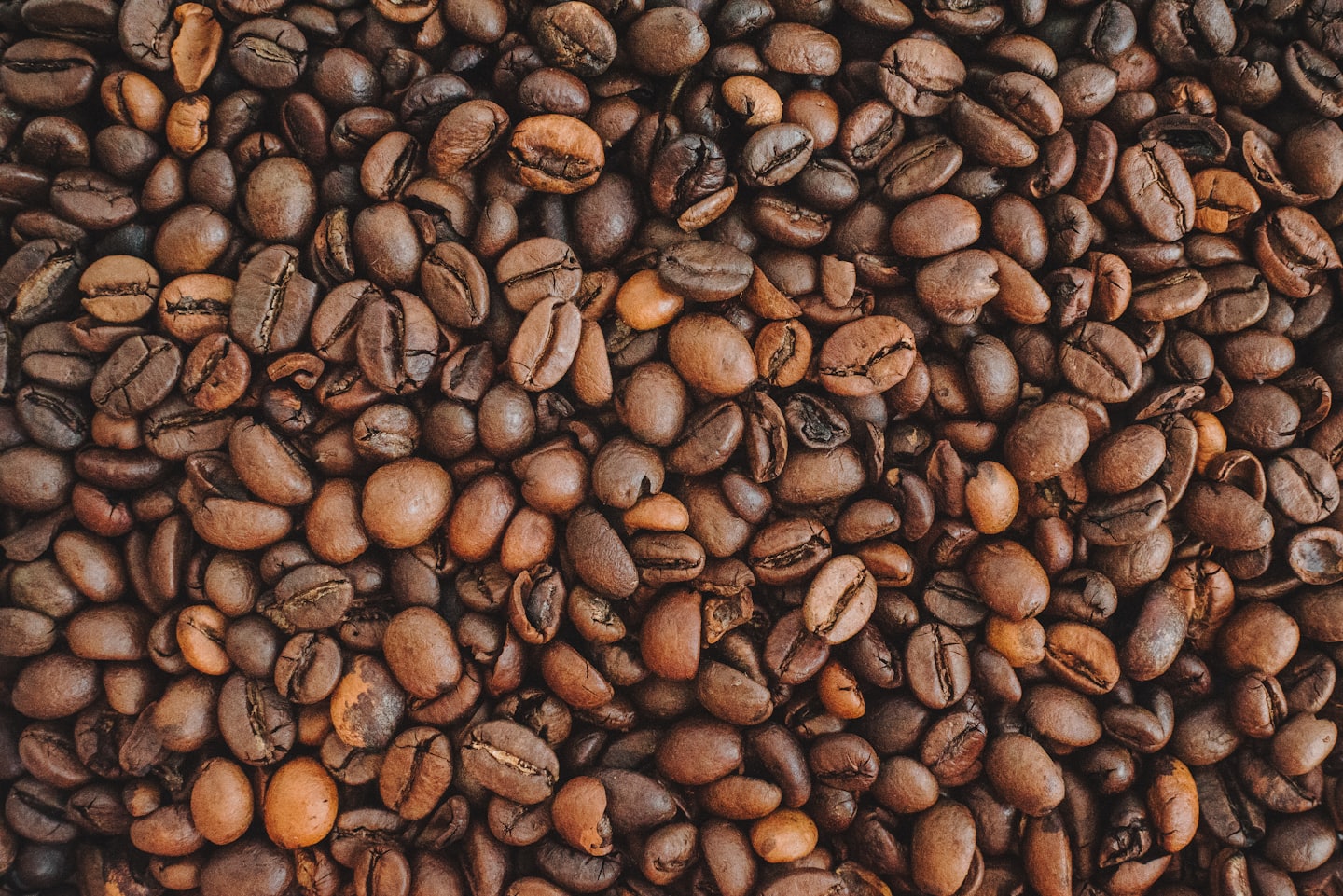
If you’ve ever brewed coffee just hours after roasting, you’ve probably noticed something strange: The aroma feels muted, the flavor dull, and the cup somehow “empty.” Then, a few days later — the same beans suddenly taste sweet, balanced, and fragrant. Just like a soup!
This isn’t your imagination. It’s pure coffee chemistry.
1. Freshly Roasted Coffee Is Still “Alive”
When coffee comes out of the roaster, it’s not stable yet. Inside each bean, hundreds of chemical reactions are still happening:
- Carbon dioxide (CO₂) continues to escape.
- Aromatic compounds are re-equilibrating after intense heat.
- Oils and cellulose are redistributing.
Roasting transforms green coffee into a complex porous structure — but that structure keeps changing for days. In short, freshly roasted coffee is still “breathing.”
2. The Degassing Phase: When CO₂ Takes Over
Right after roasting, every gram of coffee holds 5–10 mg of CO₂ trapped in microscopic pores.That means one kilogram of coffee can release up to 6–10 liters of gas over the next 10 days.
During the first five days, degassing is intense:
- The coffee “blooms” excessively when brewed.
- CO₂ interferes with water penetration during extraction.
- Volatile aromatics struggle to escape properly.
As a result, the cup tastes flat, harsh, or unbalanced — not because the coffee is bad, but because it’s still releasing gas too quickly.
(Source: Illy & Viani, “Espresso Coffee: The Science of Quality,” 2015.)
3. Around Day 5–7: The Sweet Spot Appears
After several days, roughly 60–70% of the trapped CO₂ has escaped. The internal environment of the bean stabilizes, allowing for better flavor release during brewing.
What happens next:
- Aromas bloom naturally — florals, fruits, chocolate notes become more distinct.
- Acids stabilize, shifting from sharp to bright and juicy.
- Body feels rounder, sweetness more defined, and aftertaste cleaner.
This is when coffee enters its “flavor development window” — the ideal time to taste what the roaster intended.
“Resting coffee is like letting wine breathe — the volatile compounds need time to find harmony.”— Coffee Science Journal, 2020
4. How Long Should Coffee Rest?
The perfect resting time depends on roast level, bean density, and brewing method.
| Roast Level | Recommended Rest Time | Why It Matters |
| Light roast | 5–10 days | More CO₂, slower degassing. |
| Medium roast | 3–7 days | Balanced acidity and sweetness. |
| Dark roast | 1–3 days | Less gas, faster flavor stabilization. |
(Sources: Rao, “The Physics of Coffee Degassing,” 2020; Illy & Viani, 2015.)
For espresso, which extracts under pressure, resting time is even more critical — too much CO₂ creates unstable crema and uneven extraction.
5. More Than Gas: Other Reactions During Rest
CO₂ isn’t the only factor at play. As coffee rests:
- Lipids (coffee oils) migrate slowly toward the surface, carrying flavor compounds.
- Moisture redistributes between the bean’s center and crust, leading to more even extraction.
- Maillard reaction by-products continue stabilizing, deepening caramel and nutty notes.
Think of it as the coffee “settling down” — turning chaotic post-roast chemistry into smooth harmony.
6. The Science Behind the Perfect Cup
| Stage | What’s Happening | Cup Profile |
| Day 0–2 | Rapid degassing, volatile chaos | Sharp, underdeveloped flavor |
| Day 3–5 | Gas still high, aroma suppressed | Inconsistent, bitter or sour |
| Day 6–9 | Gas balanced, volatiles stable | Sweet, aromatic, clean |
| Day 10+ | Gradual oxidation begins | Slightly less bright but round |
(Source: Navarini et al., “Gas Release and Aroma Retention in Roasted Coffee,” J. Agric. Food Chem., 2018.)
7. Conclusion: Coffee Needs Time to Breathe
The best coffee isn’t the newest — it’s the most balanced.
Let your beans rest long enough for chemistry to calm down.Just like wine or bread, coffee needs time to develop harmony between gases, oils, and aromatics.
If your fresh roast tastes thin or hollow, don’t rush to judge it —give it a few more days, and it may surprise you with sweetness, depth, and character.
References
- Illy, A. & Viani, R. (2015). Espresso Coffee: The Science of Quality. Academic Press.
- Rao, S. (2020). “The Physics of Coffee Degassing.” Coffee Science Journal.
- Navarini, L. et al. (2018). “Gas Release and Aroma Retention in Roasted Coffee.” J. Agric. Food Chem.
- Perfect Daily Grind. (2021). “Why Resting Coffee After Roasting Matters.”
Leave a Reply